
From the Aikido Center of Los Angeles’ Aiki Dojo Message - The Power to Change
“We become what we behold.” - William Blake
Sometimes when Furuya Sensei would get mad at someone, he would say, "A zebra can't change its stripes!” Today as a teacher, I would imagine that Sensei’s admonishment was some sort of Golem or Galatea effect tactic meant to motivate us. This effect means that “someone holds a low or high expectation of you, pushing you to rise or fall to meet or violently reject that standard.” I think Sensei was setting people up to see if they would rise or fall to the occasion.
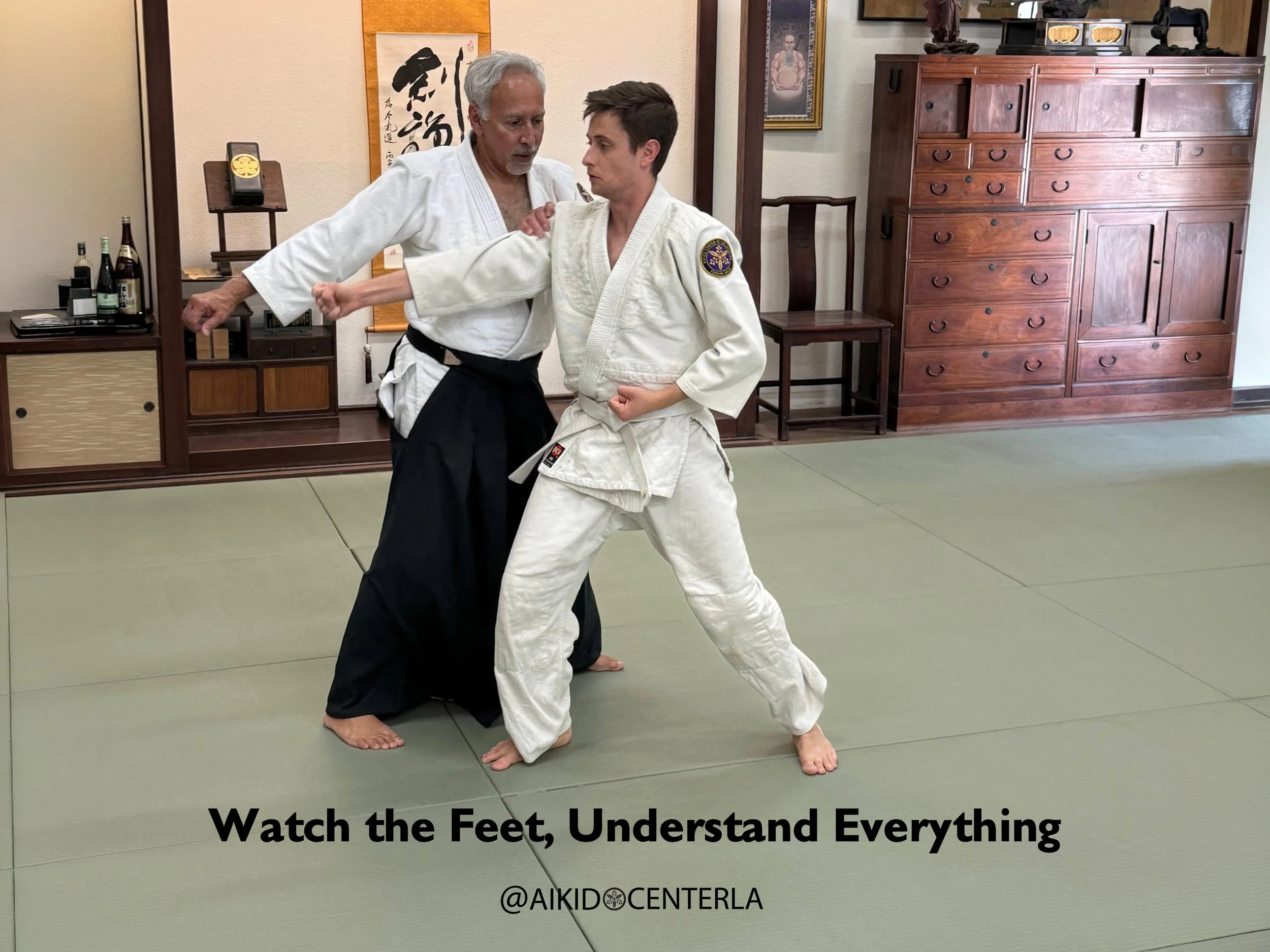
Aikido is all about change. Interestingly, one word for “change” or “transformation” in Japanese is tenka (転化) which has the same first character in the first technique done in every Aikido class tenkan (転換) which means “to turn around” or “change.”
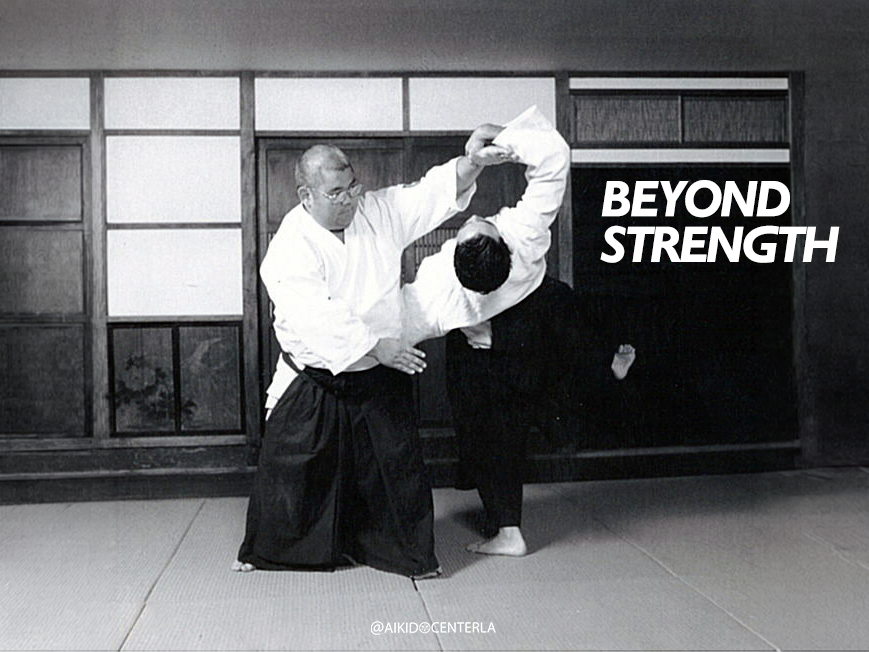
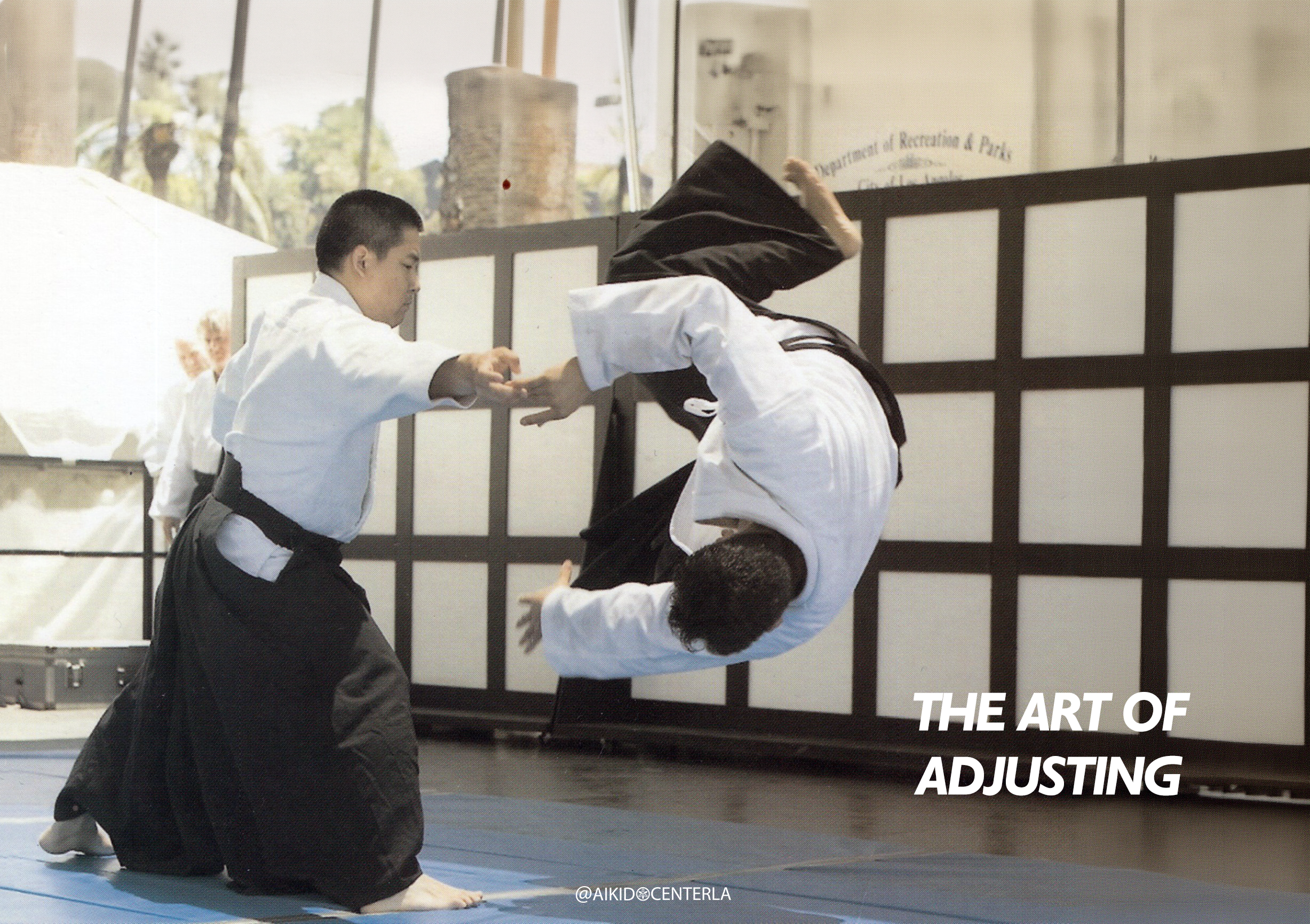
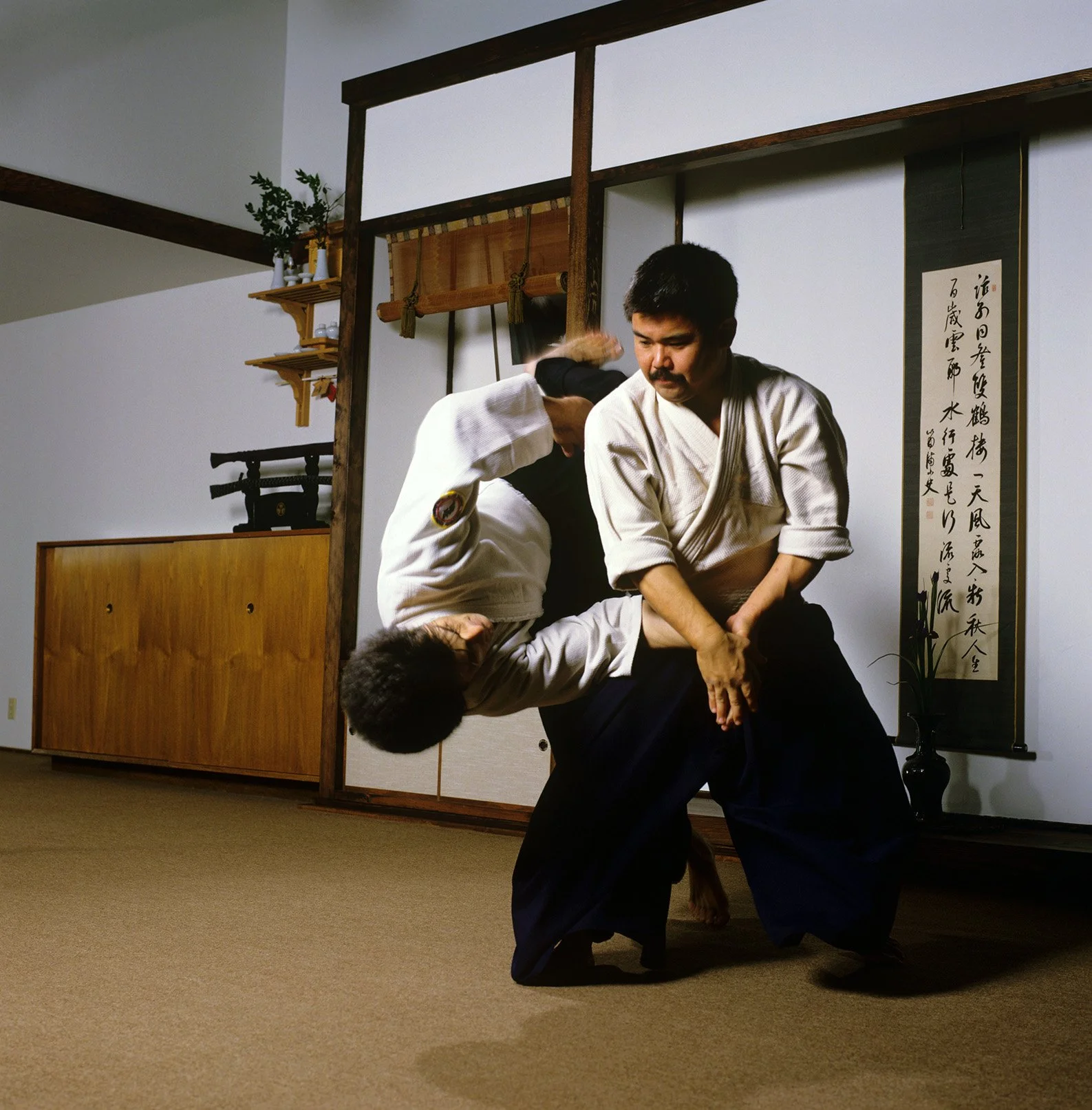
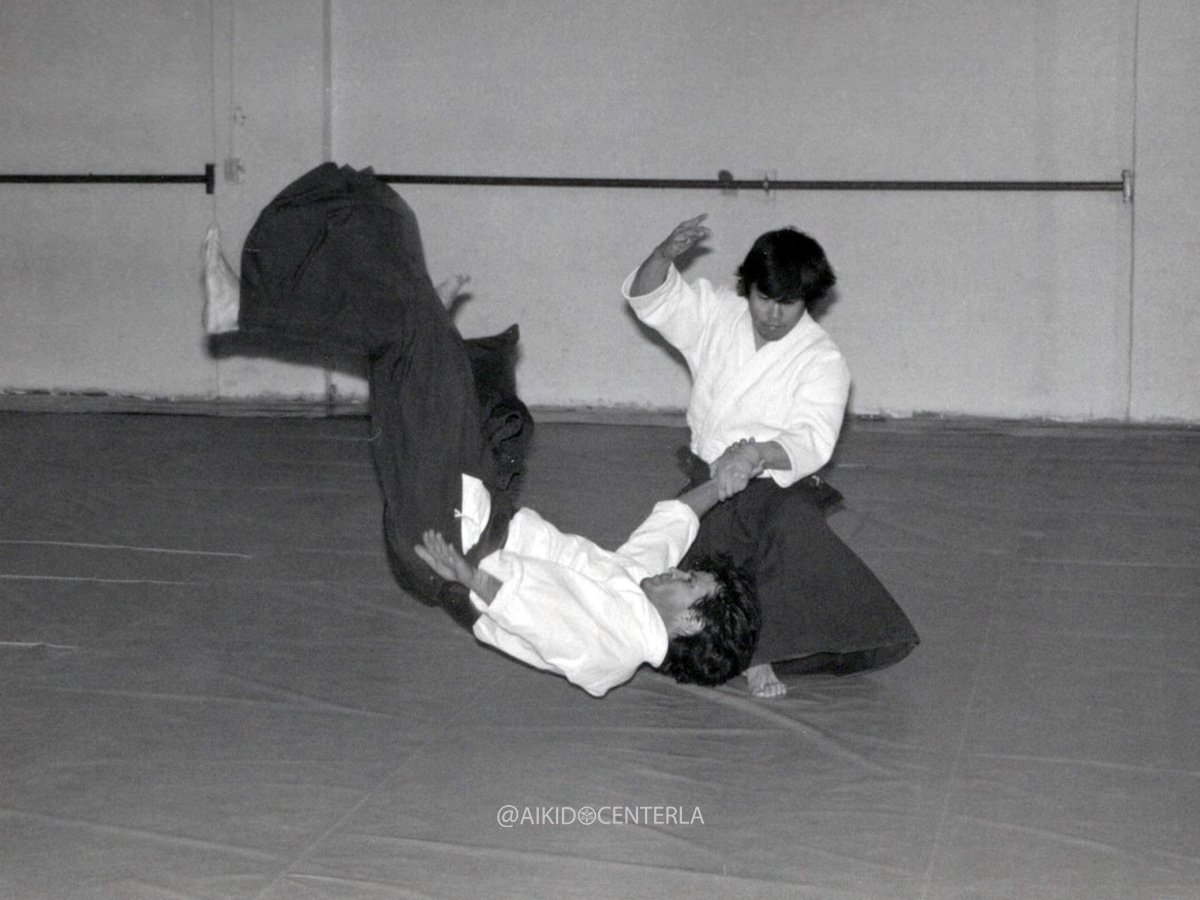
In Aikido, when a person attacks us, we are not supposed to resist. Instead, we take great pains to align with the power of the attack and then redirect that power into a technique. In essence, we change something that is inherently negative into something that is positive. Thus, the movements of Aikido can be allegorically teaching us physically which influences us mentally and emotionally.
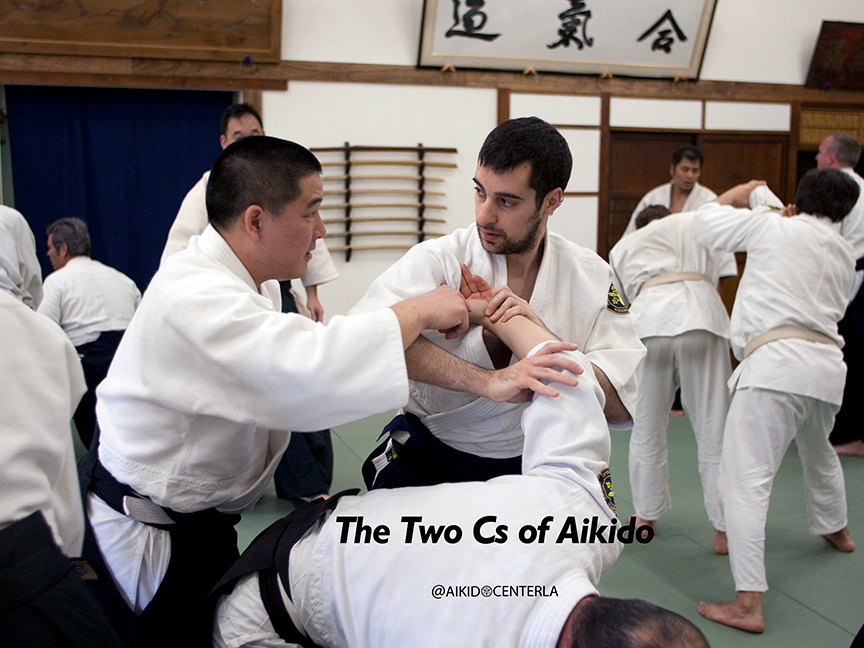
In class, the first thing is to become aware of your natural tendency when attacked. Notice externally what happens to you physically. Do you resist, get stiff, flinch, or have any other physical reaction which hinders your ability to move fluidly? Then notice what internally happens to you mentally or emotionally. Do you become afraid, angry, or get stuck in thought which can cloud your judgement and hinder your physical movement? Once you get a general idea of how you react, try and see if you can start to change or control it. Change it from mindless reaction to mindful action. This is the beginnings of what is called equanimity in swordsmanship. In Japanese, one way to say “equanimity” is shinshokujijaku (神色自若) which means “to have mental calmness, composure, and evenness of temper, especially in a difficult situation.”
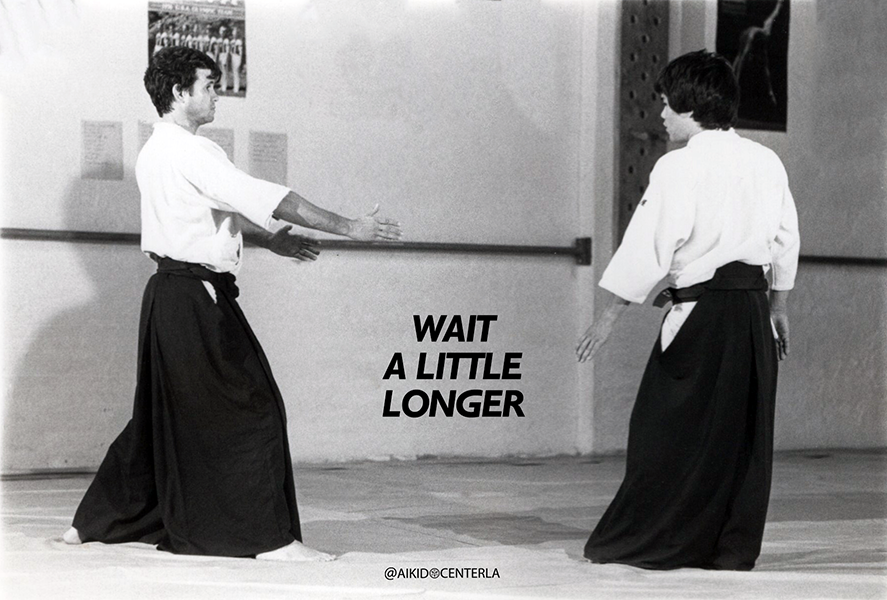
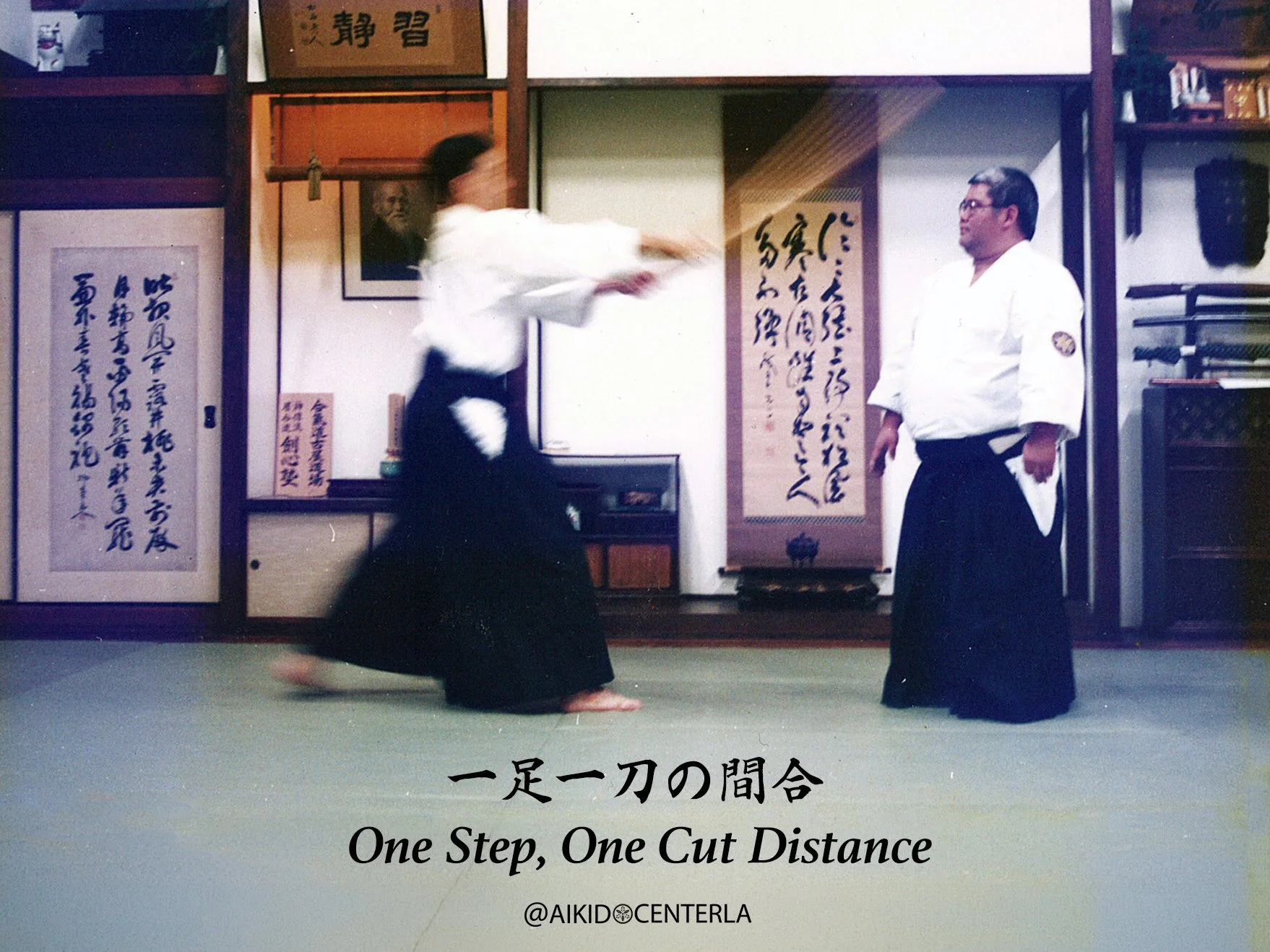
At the tachiai (立ち会い) or “moment of attack,” we try and move our bodies in alignment with our partners bodies and in line with the power of the attack. Simultaneously, the direction of our kokyu (呼吸,) or “breath” dictates where to redirected the power (kokyu in this sense is the extending power of our arms, hands and fingers which is the physical representation of our breathing or internal power). This movement and alignment have to be done quickly in order to capture our partner’s momentum and balance and any resistance or thought can inhibit this ability. Ideally, the more experienced we become, the less we allow our natural tendencies to inhibit our movement.
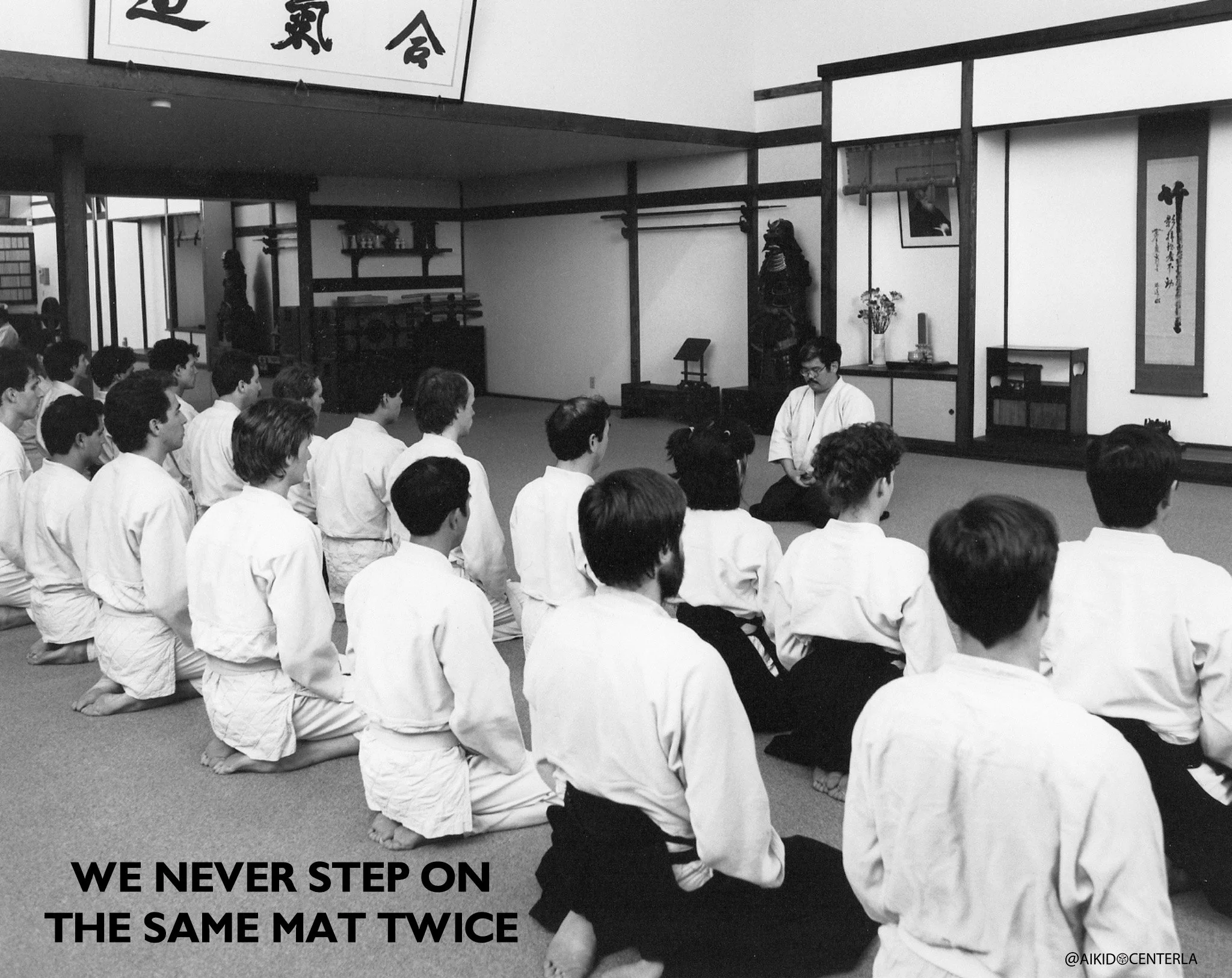
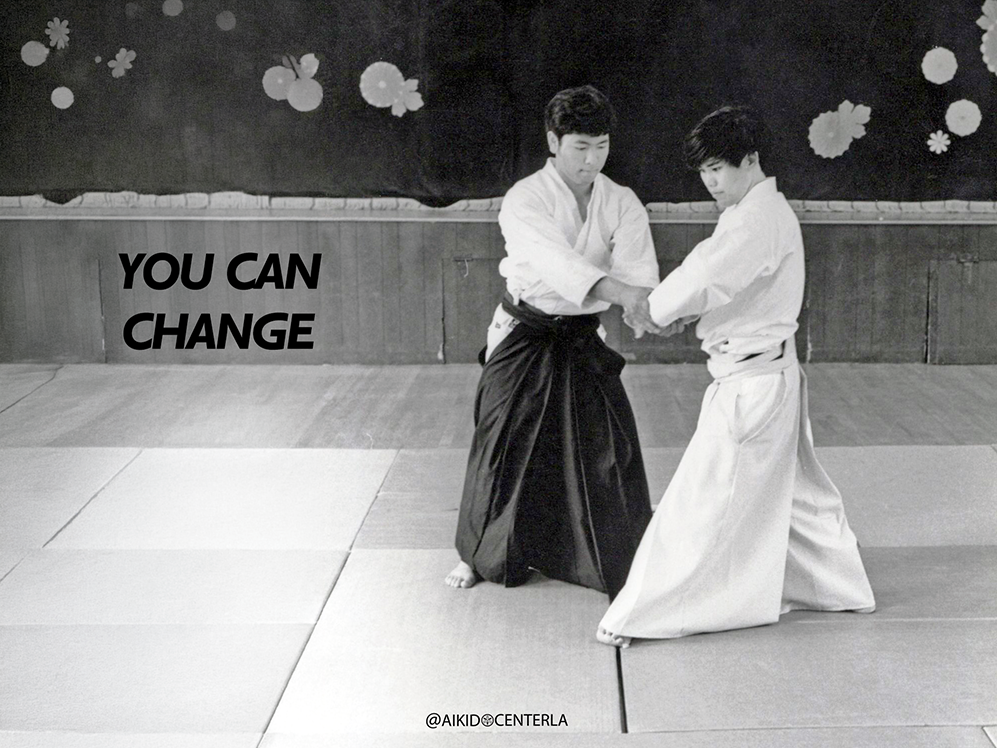
A zebra cannot change its stripes, but human beings have the capacity to change how they think, react, and behave. As we grow, experience and learn, those things have an effect on us - they change us. Heraclitus said, “No man ever steps in the same river twice, for it's not the same river and he's not the same man.” Each and every one of us has tendencies - some bad, some good. Training teaches us how to become aware of ourselves and use that awareness to redirect our tendencies and change.
O’Sensei said, “The Art of Peace begins with you. Work on yourself and your appointed task in the Art of Peace. Everyone has a spirit that can be refined, a body that can be trained in some manner, a suitable path to follow. You are here to realize your inner divinity and manifest your innate enlightenment. Foster peace in your own life and then apply the Art to all that you encounter.” Aikido is not only a way to change ourselves but an opportunity to change our world. Our world changes because we change how we see it and hence William Blakes’ quote.
The best Aikidoist is the person who realizes that how they think influences how they do Aikido and vice versa. Life and Aikido are both practices and practices begin with awareness. Every person has the ability to change, improve, or become better. That change begins with you. The job of every person who trains in Aikido is as O’Sensei states, “to realize your inner divinity and manifest your innate enlightenment.” That manifestation begins with believing you can change.
Today’s goal: Believe you can change, become aware of your habitual reactions, and practice turning them into mindful actions.
Watch this short video of Furuya Sensei talking about training